Literature Review on the Influence of the State on Economic Informality Pdf

What Drives Urban Village Redevelopment in Red china? A Survey of Literature Based on Spider web of Science Core Collection Database
ane
Department of Structure Management and Existent Estate, Shenzhen Academy, Shenzhen 518052, Red china
2
Department of Public Administration, Hunan University, Changsha 410082, China
3
Section of Real Estate and Urban Economics, University of Manchester, Manchester M13 9PL, UK
*
Author to whom correspondence should be addressed.
Academic Editor: Yurui Li
Received: 9 March 2022 / Revised: 28 March 2022 / Accepted: 2 April 2022 / Published: 4 April 2022
Abstract
The recent economic advances fabricated by China have now obliged the country to address the demand for sustainable urban redevelopment. Unlike other recently developed areas in Cathay, urban villages are in dire demand of improvement. Consequently, the redevelopment of urban villages has garnered considerable public and academic interest. However, a comprehensive understanding is lacking on the drivers of urban hamlet redevelopment in Red china. This written report aims to fill this gap through a comprehensive survey of existing literature on redevelopment of urban villages. A full of 167 papers have been retrieved from the Web of Scientific discipline Core Collection database. A bibliometric analysis and a critical content analysis are conducted on the bases of these papers. We found at least three main processes which have driven urban village redevelopment in China. First, the growth of urban population and their income level has created a strong emerging demand to improve urban living conditions, which has triggered the restructuring of urban villages with sub-standard built environment into loftier-quality urban spaces. Second, from the production side, the market-oriented land reforms and the developers' pursuit of land-related investment returns from land rent gap is also a strong driving force for demolition and redevelopment of urban villages. Lastly, u.s.a. and local governments have played a critical role in promoting urban hamlet redevelopment and integrating breezy urban spaces into formal urban areas. This research concludes with an evaluation of current studies on urban village redevelopment and provides suggestions for further research in the future.
1. Introduction
Given its rapid urbanization and the emergence of substantial demand for urban land, China is currently facing an unprecedented claiming of sustainable urban development and economic growth. Some big cities in Mainland china are at the bottleneck of urban development because the country resource for further evolution take get finite. Against this background, urban renewal has become a crucial component of urban development [1,2]. In Chinese cities, commonage land exists in urban villages, which results from village-led country conversion and structure activities [three,4]. Dominated by villagers' interests, hamlet-led development of urban villages has led to multifarious negative outcomes, such equally limited country property rights [five,vi], inadequate infrastructure [seven,eight], potential safety hazards [ix], and inefficient land utilise [half dozen,ten]. To the governments, the problems of urban villages require urgent solutions, and the governance of urban villages is the main result in urban evolution [eleven,12,13]. Therefore, urban village rebuilding has become an important component in the practice of urban renewal in China to see the emerging country-use needs, attract further investment, and sustain economical growth.
Urban village redevelopment generally refers to the demolition and rehabilitation of urban hamlet buildings, involving several complicated processes, including urban space rebuilding [6], state ownership transformation [14], state value increment [xv], and spatial benefit redistribution [16], which have attracted serious attention from the academic community in the by decades. A wealth of studies accept investigated the function and relations of different stakeholders in the redevelopment processes based on empirical cases [xvi,17,18]. The main participants in the urban hamlet redevelopment include the local governments, real estate developers, and local villagers [19]. Different types of governance modes have been adopted in the processes of urban village redevelopment, such as the regime-led model [16,xx,21], market-led model [22,23], and collective-led model [xiv,22,24], to proper name a few. Different governance models have led to dissimilar collaborative relationships amongst the relevant stakeholders [25]. Some studies focused on the socio-economic consequences of urban hamlet redevelopment. Urban village redevelopment has been well recognized as having brought profound and diversified impacts to various social groups and urban spaces. On the i hand, the urban hamlet redevelopment has improved land use efficiency [half-dozen,26] and has been institute to have positive furnishings on the surrounding housing prices [27]. On the other hand, urban village redevelopments take resulted in a large-calibration displacement of migrants [21,28,29] and accept brought negative impacts to these people who have made fundamental contributions to urban development [30,31,32]. Some other pool of literature has made efforts to propose strategies for better redevelopment of urban villages in the future. More than inclusive governance and planning strategies are necessary for sustainable redevelopment [26,33]. To realize the diverse objectives of urban development, a ameliorate agreement on the driving processes of urban village redevelopment is a prerequisite. However, a lack of comprehensive understanding persists on the drivers of urban village redevelopment in Mainland china.
This report aims to address this question through a comprehensive survey of existing literature. A total of 167 papers take been retrieved from the Spider web of Science Core Collection database. A bibliometric analysis and a critical content analysis are so conducted on the bases of these papers. The next department introduces the research methods, followed by an overall flick of the existing research achievements. Section 3 explores the driving forces of the urban village redevelopment from the following perspectives: (i) the emerging demand for improvement of living atmospheric condition; (ii) capital letter aggregating and developers' pursuit of land rent gap; (3) the important office of the national and local governments. The last department provides a conclusion of the findings and suggestions for future studies.
2. Research Methods
2.1. Paper Retrieval
Relevant studies on urban village redevelopment were retrieved from the research database known as Spider web of Science (WOS) via a systematic approach. To recollect as much related literature equally possible to identify the drivers of the urban village redevelopment process, this written report was not confined to manufactures published in a set period. We did not set a time limit or constrain the review with periodical articles for the bibliometric analysis, simply we did choose key published articles according to journal quality for the content analysis. The retrieval procedures are equally follows: (i) Research literature was initially searched through broad phrases. In the existing literature, the urban village is besides chosen by different terms, such equally "villages in the city" or "chengzhongcun". The germination and redevelopment of urban villages have a shut relationship with the transformation of commonage country. Therefore, broader search terms were combined, and the search rules used were "urban village" OR "collective country" OR "chengzhongcun" OR "villages in the city" OR "ViCs," which were so put in the searching criterion Topic in the Web of Scientific discipline (WOS) database with the language set to English. These rules have led to a full of 467 articles at the end of this stride. (2) Enquiry results were further refined, because the irrelevance of the topic. Articles with unrelated research fields, such equally information science, history, forestry, immunology, psychology, government police force, and anthropology, among others, were excluded. Subsequently the subsequent exclusion process, 287 articles were retained. (iii) The abstract and introduction of each newspaper were read to exclude irrelevant ones. Given that this study focuses on the drivers of urban hamlet redevelopment, articles concerning the origin, classification, and other issues of urban villages were excluded. The effect and evaluation of the urban village redevelopment were also excluded. At the end of the process, 167 papers were selected for the following analysis.
two.2. Review Steps
This paper reviewed the surveyed literature via two steps. First, a bibliometric analysis, which includes a co-occurrence analysis of keywords and a co-authorship analysis, is performed to review the primary research fields of publications comprehensively. VOSviewer was chosen to help understand certain relationships by providing rounded and detailed illustrations of the information collected from the WOS database. The original information source containing the bibliographic data of the literature is in TXT format. Figures and tables were too adopted to show more extensive information for further analysis. Second, a critical content investigation was adopted to place the primary drivers of urban village redevelopment in People's republic of china. We plant at least three main processes which take driven urban village redevelopment in China.
Given the limitations of the called search database, this review focused mainly on literature in English. In add-on, the keywords used in this research were called on the basis of the object of urban village redevelopment and relevant papers, which might not be thorough. Some studies on other types of urban redevelopment that provide ideas of the driving processes were omitted. Expanding the keywords to encompass urban renewal, urban redevelopment, and urban regeneration covered a broader range of literature on the drivers of urban village redevelopment and allowed for a more than comprehensive review of this field. We then conducted a content analysis with a wider scope of articles published in highly ranked journals to restrict these possible prejudices, providing a more comprehensive perspective.
three. Bibliometric Analysis
3.1. Overview
Figure 1 outlines the rise in papers published on the theme of urban village redevelopment for the period from 2008 to 2020. The upwardly trajectory indicates that this field attracted increased scholarly attention during the period 2008–2016. This sharp increment finally peaked in 2018, which shows that the academic circle may have some discoveries in the field of urban village redevelopment, stimulating relevant research in various disciplines in one case again. The number of relevant articles published in the by three years has shown a relatively stable state, indicating that the relevant research has matured in recent years. Compared with literature in the amount of inquiry conducted on urban renewal in related fields such as gentrification, brownfield redevelopment, and single-house redevelopment, the number of manufactures on urban village redevelopment remains relatively minor. A room remains for contributions toward a better understanding of urban village redevelopment.
iii.ii. Journal Analysis
The leading twenty journals from which the same papers were obtained are outlined in Table 1. The journals span various fields, including urban studies, area studies, development studies, surround sciences and ecology, public administration, scientific discipline and engineering, geography, and remote sensing. Habitat International has published 24 papers on urban village redevelopment. Many of the remaining papers were retrieved from Cities, Urban Studies, Sustainability, Land Utilize Policy, and Journal of Urban Planning and Development. Thus, enquiry on this topic is indicated to be by and large relevant to the discipline of urban studies, area studies, and land development. The other papers were published in geographical journals.
iii.3. Keyword Assay
The software tool VOSviewer was employed to perform a co-occurrence evaluation of the keywords, all of which had a frequency that exceeded 8. A visual discussion co-occurrence network was created as a result. (Figure 2a). Equally seen from the keyword cluster distribution, relevant inquiry forms multiple clusters around multiple fundamental nodes presented in a like color system. The overall clustering structure of existing studies is relatively clear, and keywords of different clustering accept been closely related and developed in the past decade. According to Figure 2a, inquiry on urban hamlet redevelopment tin be broadly grouped into 4 clusters with different research foci: (i) rural migrants and displacement in the renewal process (light-green clustering), (2) property rights and land development (bluish clustering), (3) policies and patterns of settlements (orange clustering), and (iv) informality and governance (xanthous clustering).
Effigy 2b presents the visualization map of keywords irresolute with time. According to Figure 2b, recent scholarship focuses on land use, policy, space transformation, informality, and governance patterns. The keyword clustering in selected literature fields tin readily be identified every bit concentrated in 2015–2020, suggesting that the enquiry network has a strong concentration. From 2010 to 2015, nearly of the relevant literature focused on urbanization, marketplace forces, and urban transformation. Inquiry in the by five years (2015–nowadays) began to contain concepts such equally renewal policy, country holding rights, and the impact of vulnerable groups into the literature for assay. In recent years, concepts such equally urban migration and urban governance, which take attracted substantial attending in the practice of renewal, take also attracted increasing scholarly attention and research. In terms of the frequency and time evolution of keywords, the research areas selected in the existing literature are from China'south first-tier cities, such equally Shenzhen, Guangzhou, Beijing, and Shanghai.
iii.4. Author Assay
This section identifies authors who have contributed significantly to this research area. Table two presents the superlative ten authors who have contributed to research into urban village redevelopment and published most papers. According to Table ii, Geertman, S., Lin, Y.Fifty., He, S.J., Wu, F.L. Lai, Y.North. and Hao, P. have all made notable contributions to the advancement of research on urban hamlet redevelopment. Geertman, Stan, a scholar from Utrecht Academy, published 12 papers from 2008 to 2020. The summit 10 authors listed in Table 2 are all from well-known domestic and strange universities, three of them from Utrecht Academy. The domestic institutions of the authors include Hong Kong University, Shenzhen University, Hong Kong Baptist University, Wuhan University, and Sunday Yat-Sen Academy. A co-authorship network assay is conducted to reveal collaborative relationships among these authors. Co-authorship analysis was conducted with the counting method of full counting, which means each co-authorship link had the aforementioned weight. We constrained the minimum number of documents of each author to four and did non put a commendation number limit. Of the 512 authors, 17 met the thresholds. A circle refers to 1 author, and the number of co-authorship links determines the size of the circle. According to Figure 3, at to the lowest degree five clusters of co-authorship groups exist. The authors in the aforementioned cluster collaborate with i another more than with the authors outside the cluster. Nodes with unlike colours are clustered closely, suggesting that the authors in the same cluster have collaborated on specific themes. These results also bespeak the well-nigh active scholars and their relationships within the research field and enable easy following of the related and latest inquiry.
four. Drivers of Urban Hamlet Redevelopment in China
Based on a critical content analysis of the surveyed literature, we constitute at least three main processes which take driven urban hamlet redevelopment in Prc. Start, the growth of urban population and income level in the ongoing urbanization process has created an emerging solid demand to amend urban living conditions, which take triggered the restructuring of urban villages with sub-standard built environment into loftier-quality urban spaces. Second, from the product side, the market place-oriented land reforms and the developers' pursuit of country-related investment returns from the land rent gap is besides a potent driving forcefulness for the demolition and rebuilding of urban villages. Lastly, the states and the regional governments have played a prominent part in promoting urban village redevelopment and integrating informal urban spaces into formal urban areas (Effigy four).
4.1. Emerging Demand for Improvement of Urban Living Conditions
The considerable rise in the urban population and income level in the ongoing urbanization process has created a strong market need for high-quality living spaces in cities, peculiarly in large cities [34,35,36]. In the 1980s, at the beginning of reform and development, Prc'southward urban population and income were both in their infancy. At that time, the urban population was 191 million. With the rapid development of Mainland china's cities and the growth of the urban economic system, the urban population has increased significantly. Co-ordinate to the seventh national demography, the national population reached 1,411,778,724 by 2020, among which the urban population was over 900 million. A large number of migrants have chosen to live in megacities for job opportunities, such equally Shenzhen, Shanghai, and Nanjing [37,38,39]. In the case of Shenzhen, which is located in the Pearl River Delta urban bunch, it was originally a small fishing village before reform and opening upwards. In less than xl years, Shenzhen has become one of Prc's most populous and prosperous megacities. Shenzhen's urban population has reached more than 17 million by 2020, and near migrants still alive in urban villages [3]. The rapid growth of urban population and the aggregation of well-educated people provided sufficient impetus for urban economic development, which more often than not increased residents' average income and consumption level [twoscore]. The increase in urban population and disposable income has created a strong need for high-quality housing conditions in contempo years. Recent research shows that urban residents increasingly prefer new housing with a larger area, improve edifice quality, improved environment [41,42], and sufficient facilities such as advanced medical care and loftier-quality education resources [43]. According to the United nations, Prc's urbanization charge per unit volition go on to increase in the coming years and reach seventy% by 2030. The need to amend urban living conditions in megacities volition become fifty-fifty more pressing [44]. Such needs tin no longer be fulfilled past the breezy housing provided by urban villages [21].
However, high-quality formal housing remains extremely limited in Chinese megacities. For example, in 2007, Shenzhen boasted only one million commercial, residential units. The number increased to 1.89 1000000 in 2020, which can only suit a small portion of the urban residents living in this urban center. Although the municipal authorities has fabricated efforts to provide public housing in recent years, the stock of adult public housing is very limited. One of the specific consequences of the urbanization and land reform processes that transpired in the 1980s is that a loftier percentage of land within the boundaries of megacities is occupied past urban villages [8,45]. The inner conditions of urban villages are ofttimes crowded and disordered [seven]. Urban villages e'er accept loftier-density and poor-quality buildings [46]. The surrounding environment of urban villages typically lacks high-quality infrastructure and public service [47], amongst others. In the earlier urban development stage, the presence of urban villages was critical because they served as sites of affordable housing and living space for the influx of urban migrants [48,49]. In terms of the need side, the chief commuter of gentrification in the W is the desire to return to the city centre [50]. By contrast, the emerging needs of Communist china's urban dwellers are largely reflected in the urgent demand for better living weather. With the ascension income levels, urban residents have changed their preferences of living weather condition and can afford meliorate living. Nearly urban villages with sub-standard environments have failed to come across the new needs for improving living conditions [41]. The mismatch between the emerging demand and the unsatisfactory urban living weather condition in urban villages becomes an essential problem in megacities. In such context, the redevelopment of urban villages into high-quality formal housing estates has become an important means to fulfil the emerging housing demands [24,51].
4.2. Capital Accumulation and Developers' Pursuit of State-Related Investment Returns
From the supply side, profit-oriented urban capital accumulation via country-related investment has get a key driver of spatial reproduction in the global urban depressed areas [52,53]. According to Lefebvre and Nicholson-Smith [54], urban infinite is an important carrier to absorb capital appreciation. The reconfiguration of urban space has been heavily influenced by the rationale of upper-case letter accumulation which is now a symbolic representation of real estate values [55]. Appropriately, the land redevelopment process in urban renewal can be understood every bit a continuous spatial reproduction of urban depressed space [52], which is an of import manner to realize capital accumulation. A wealth of studies have investigated the vital role of capital accumulation in shaping the redevelopment process and outcomes in dissimilar local contexts [56,57]. Co-ordinate to Marxist geographer Neil Smith [58], the land rent gap is a central concept to understanding land redevelopment from the perspective of capital accumulation. Specifically, the land rent gap denotes the difference betwixt the financial returns generated by a property due to electric current land utilise and the likely returns caused if the property were put to more lucrative use. When this rent gap becomes sufficiently large for developers to reap significant investment returns from this process, redevelopment volition occur. From this perspective, urban capital and developers in different countries have similar aims in relation to urban redevelopment activities, not least in respect of land-related investment returns. Still, their roles and influence in this sphere may vary in accordance with divergence in local renewal contexts [56,57].
With the reform of urban land system marked past the separation of the land use rights and state land buying, a prosperous land marketplace has been formed in China [59]. Upper-case letter accumulation and developers' pursuit of land-related investment returns from the rent gap becomes a powerful forcefulness for urban village redevelopment in Red china [10,sixty,61]. The public infrastructure and planning policies during dynamic urbanization accept essentially impacted the land rent gap. When the surrounding urban environment and infrastructure are improved, the potential rent of the urban village area keeps rise rapidly. By contrast, due to the suboptimal land use and disorganized physical surround [62], the existing land hire in urban villages has been depression for a long time. The formation of land rent gap makes information technology profitable for developers to redevelop urban villages for "highest and best" use (Figure v). According to previous literature, well-located urban villages, such every bit in large cities or shut to urban centres, are supposed to experience earlier redevelopment in comparison to villages located in outlying zones [21,63]. However, a recent study shows that the land rent gap of urban villages is besides affected by many other factors like land ownership and rights, existing land use, and planned country use. These factors collectively affected the country rent gap as well as the attributes of transaction costs in the redevelopment processes and shaped redevelopment outcomes [64]. On the one manus, capital aggregating and developers' pursuit of land-related investment returns has promoted the sabotage and rebuilding of urban villages and has contributed to many formal housing units via redevelopment [65]. On the other hand, market place-oriented redevelopment of urban villages has brought some negative impacts to some vulnerable social groups and the urban center. Migrants take been forced to move out of urban villages. This miracle volition inevitably threaten social sustainability in urban evolution [27,66].
iv.3. Important Role of the States and Local Governments
The local states take played a critical role in the land redevelopment processes [18,67,68]. Along with the abiding marketplace-oriented reforms over the past years, the land increasingly relies on market approaches to stimulate redevelopment activities and realize developmental objectives known as "state entrepreneurialism" [69,70,71]. With limited resources, tearing contest exists amongst local governments for urban growth and evolution [59,68]. Under such a background, the local states have potent motivations to concenter investments and migrants for urban development [72]. Even so, the widely existing informal urban lands, such as urban villages, accept become a huge obstacle to sustainable development [73,74]. A large-calibration informal urban space based on collective land lacks legal property rights and is outside the urban planning and land direction organization [75], which fails to support high-quality urban evolution [76]. In the case of Shenzhen, where land resources are extremely deficient, urban villages (393.three kmii) accounted for more than 55% of the entire urban area (703.5 km2) at the end of 2006 [3]. Such breezy space developed by the villages has led to a disordered congenital environment with inadequate public infrastructure and service provision. In this context, demolition and rebuilding of urban villages have been imperative for achieving the objective of sustainable urban evolution. To the local governments, urban village redevelopment has a strong potential to reach multiple evolution goals. In dissimilarity to the passive intervention responses to the dominant market mechanisms, such as fixing externalities of urban redevelopment [77,78], Chinese national and local states are more proactive in shaping the processes and outcomes of urban redevelopment.
The role of the local governments has experienced a marked change in triggering and enabling the urban village redevelopment during the past decades [67,seventy]. Traditionally, the local governments dominated the process of urban renewal. They have rights to select redevelopment sites, make a height-down state employ planning system for redevelopment [67,79], choose developers for redevelopment, and resettle affected villagers in the redevelopment process [21]. Such a state-led redevelopment procedure of urban villages has negative externalities. For case, the high toll and inefficiency of redevelopment fail to see the requirements of high-speed urban development [80]. Meanwhile, such forced demolition and reconstruction also somewhat neglected the rights and interests of diverse stakeholders [14], leading to a big number of displacements of local villagers [31,81]. Along with the market place-oriented reforms on country (re)development, the role of the local governments has greatly transformed in the redevelopment of urban villages. They accept strong incentives to promote the urban village redevelopment to integrate the breezy settlements into formal and governable urban spaces. In many cities, the traditional land-led model of land redevelopment is supplemented with bottom-up market instruments [70,82]. In Guangdong Province, the land transfer is no longer required to get through a state requisition process. To ameliorate the efficiency and reduce the cost of the redevelopment procedure, the local states increasingly rely on market actors to achieve redevelopment goals. In this case, market entities such as developers, property owners, and investment capital have become the about important actors to initiate and implement redevelopment projects in recent years [22,24,83,84]. The local states accept paid increasing attending to regulatory guidance in redevelopment [66,85]. For case, they make regulations on the requirements of surveying the willingness of property owners and the qualifications of developers. Urban planning standards are carried out to guide the private planning for individual redevelopment projects [64]. The irresolute rules and policies have effectively promoted the redevelopment of urban villages in recent years, especially in Guangdong Province [iii,14]. Nonetheless, the local states play critical roles in stimulating and regulating the redevelopment in the dynamic socio-economical environment.
v. Discussion
As Prc is steadily moving towards neoliberalism [66,86], the office of market forces has become even more than critical in urban village redevelopment. At the same fourth dimension, u.s. and local governments continue to play important roles in stimulating and regulating land redevelopment, which straight shape the processes and outcomes of urban village redevelopment. Despite the rapid promotion of urban hamlet redevelopment under a marketplace-oriented pattern, the emerging need from urban citizens and the disquisitional role of the state should not be ignored. Rapid urbanization and the increasing number of urban dwellers mean that the need for improved urban living conditions in megacities volition get even more pressing. The mismatch between the emerging demand and the unsatisfactory urban living atmospheric condition in urban villages volition remain a strong driving force in the redevelopment processes. In the future, market forces will remain the chief impetus of urban village redevelopment in Cathay. With the gradual improvement of the real manor development organization and gradual development of the national land market towards stability, the investment behaviour of urban capital and developers seeking economic returns in state redevelopment activities volition become more than rational. Developers will place greater value on cooperation with local governments and the touch on of government intervention. Hence, their project choices will accommodate urban planning and development strategies. Moreover, the trend towards neoliberalism means that the urban village redevelopment cannot unconditionally depend on market mechanisms. Instead, this class of evolution needs national and local authority power in conjunction with the influence of the market. Many existing studies indicate that country intervention can create the optimal conditions for market operation [68,87,88]. Confronting this background, how national and local governments respond to the laws of the market, classify power, and formulate urban planning must be considered, in addition to how redevelopment policies and systems adapt to local weather condition. These considerations are central to the successful redevelopment of urban villages.
The aims and roles of Chinese and Western governments in promoting urban redevelopment are dissimilar. Early Western governments tended to promote and initiate urban redevelopment with the objective of solving urban issues. This dominated the unabridged redevelopment procedure. Gentrification, one of the main forms of urban redevelopment in the West, is considered a national strategy implemented by governments to mitigate social disharmonize, reduce crime, and address urban poverty [50]. The British and American governments have promoted gentrification policies, and the Dutch central government has introduced residential re-differentiation; the objective of all these governments is to achieve social integration [89,90]. The role of the country and local governments in promoting urban village redevelopment has changed during the past decades. Urban entrepreneurialism has besides received growing attending [91,92,93]. An increasing number of studies confirm that the important driving force in local governments' promotion of urban renewal is embodied in greater local competitiveness and the ability to attract local investment. Taking Europe equally an case, in response to the urban renewal initiatives and the always-developing entrepreneurship of the local authority, the Dublin government reformed the urban planning and established particular purposed urban renewal institutions [77]. Urban renewal in the United states is more dependent on the collaboration betwixt the local dominance and downtown commercial interest groups to promote failing inner cities competing with burgeoning suburbs [78].
In comparison, emerging local elites accept propelled China's urban renewal in a more than efficient and depression-budget musical instrument. The Chinese local government is willing to rely on marketplace forces to stimulate redevelopment activities and realise developmental objectives [20]. In Communist china, emerging local elites utilise decentralised state power to pursue sustainable urban evolution and rapid economic growth in the soaring real estate market. For example, governments in the W usually attract capital through economic means, such as capital investment, to attain the goal of slum eradication and inner-city regeneration [77,78]. In Prc, the authorities shapes the processes and outcomes of redevelopment activities directly through urban planning, development intensity control, or other forms of policy interventions. The governments of cities such equally Beijing, Shanghai, and Guangzhou accept the power to decide on projects or areas for urban redevelopment and ready the direction and planning layout of redevelopment [66,85]. In Shenzhen, market players such as developers and hamlet collectives are given the right to declare new redevelopment projects, whilst the Shenzhen regime plays a function in target planning and regulatory command [three]. Therefore, future research should fully consider the local institutional background. In addition, Western urban redevelopment has formed a redevelopment pattern based on the cooperation of government, enterprises, and the public, whereas Prc's urban village redevelopment notwithstanding needs to be optimised in terms of residents' demands.
The investigations into the process of urban village redevelopment have undergone rapid growth in the past decade. However, findings derived from existing literature are non always inconsistent. For example, some studies focus on marketplace demands for high-quality urban housing driving the redevelopment of urban villages, whereas others merits that land redevelopment happens mainly through state-led actions. With the continuous deepening and expansion of relevant studies, recent enquiry has paid increasing attention to the diverse local contexts and the roles of unlike actors in the reconstruction process of urban villages. Indeed, the redevelopment of urban villages involves intertwined processes and is driven by multiple forces. The inconsistency of findings from unlike studies may also arise from the different study areas. In the Chinese urbanization process, significant differences be in different regions with various socio-economical contexts and urban development patterns, which accept shaped diversified processes and outcomes of urban village redevelopment. Furthermore, a review of the existing literature shows that some limitations remain in the studies of urban village redevelopment. First, most of the existing studies on urban village redevelopment are based on individual case studies in unlike cities. Understanding is defective on the bigger picture of the institutional diverseness and multiple driving forces of big-scale urban hamlet redevelopment. This written report will hopefully suggestion a more profound understanding on the driving forces of urban hamlet redevelopment in Communist china. 2nd, most of the existing studies are largely qualitative. Quantitative efforts are insufficient to estimate the impacts of distinct factors on the redevelopment of urban villages. For example, some policies are believed to take promoted the redevelopment of urban villages. Nevertheless, it remains unclear to what extent and how. To overcome these issues, extra efforts on both theoretical frameworks and empirical assay are needed to better empathise the irresolute urban villages in the future.
6. Conclusions
Redevelopment of urban villages has been a hot enquiry topic in the by decades. However, a comprehensive agreement is defective on the drivers of urban hamlet redevelopment. This study fills this gap through a comprehensive survey of existing literature with the employment of a bibliometric analysis and a critical content analysis. This review enhances the understanding of the main driving processes of urban village redevelopment in China and provides a strong ground for researchers investigating the field of urban village redevelopment. Over the last decade, there was a substantial rising in the number of academic papers devoted to the study of urban village redevelopment, indicating an increasing enquiry involvement in this discipline. The published journals span a multifariousness of fields, which include urban studies, geography, and evolution studies. A potent market demand exists for high-quality living space; uppercase accumulation by realizing land hire gap and the strategy of the state and local governments are the main forces driving urban hamlet redevelopment in Cathay. The office of market forces in urban village redevelopment is becoming increasingly of import equally China moves towards neoliberalism. Simultaneously, the country and local governments go along to exert a significant outcome in terms of incentives and regulation of land redevelopment, which directly bear on the processes and outcomes of urban hamlet redevelopment. Over the past years, decentralization and market place-oriented policy reforms take redefined the relations between the government and the market and promoted urban hamlet redevelopment. Farther studies exploring the role of the state and local authorities in the market-oriented redevelopment processes would be worthwhile. However, problems persist in the redevelopment of urban villages according to the existing studies. For example, the rights and needs of the massive groups of migrants living in urban villages are still largely ignored in the redevelopment of urban villages after and then many years of redevelopment exercise. The rebuilding of urban villages has brought profound and negative impacts to these people, who take contributed their life to the urbanization process and economical growth in the past years. However, they keep to be excluded in the redevelopment procedure. How to protect these people's interests and rights in the urban village redevelopment warrants future research attention.
Author Contributions
Conceptualization, Y.L. and L.J.; data curation, L.J.; formal analysis, Y.L. and L.J.; methodology, Y.50. and L.J.; investigation, 50.J.; resources, Y.L.; software, L.J.; supervision, Y.L.; validation, Y.50.; visualization, Fifty.J.; writing—original draft, Y.L. and L.J.; writing—review and editing, Y.50., L.J., G.C., and X.T.; project administration, Y.Fifty.; funding conquering, Y.L. All authors have read and agreed to the published version of the manuscript.
Funding
This inquiry was funded past the National Natural Science Foundation of Communist china (74804113 and 72174122) and Shenzhen Science and Technology Program (20200813170728001).
Acknowledgments
An earlier version of this newspaper was presented at the 2021 International Conference on Construction and Real Estate Management. This paper has been significantly revised and proffers a deeper understanding of the drivers of urban hamlet redevelopment, especially in content analysis. The primary three driving processes are explained in more item. The findings in this study are discussed and summarized more fully at the end. It contains over 70% new content compared to the conference paper.
Conflicts of Interest
The authors declare no disharmonize of interest.
References
- Liu, Y. Introduction to land apply and rural sustainability in China. Land Use Policy 2018, 74, one–four. [Google Scholar] [CrossRef]
- Liu, Y.; Fang, F.; Li, Y. Key problems of country utilise in Communist china and implications for policy making. Land Use Policy 2014, xl, six–12. [Google Scholar] [CrossRef]
- Lai, Y.N.; Chan, E.H.W.; Choy, L. Village-led land development nether country-led institutional arrangements in urbanising Cathay: The case of Shenzhen. Urban Stud. 2017, 54, 1736–1759. [Google Scholar] [CrossRef]
- Hao, P.; Sliuzas, R.; Geertman, South. The evolution and redevelopment of urban villages in Shenzhen. Habitat Int. 2011, 35, 214–224. [Google Scholar] [CrossRef]
- Choy, Fifty.H.T.; Lai, Y.; Lok, Due west. Economic performance of industrial evolution on collective land in the urbanization process in China: Empirical testify from Shenzhen. Habitat Int. 2013, 40, 184–193. [Google Scholar] [CrossRef]
- Tian, 50. The Chengzhongcun land market in China: Boon or blight—A perspective on belongings rights. Int. J. Urban Reg. Res. 2008, 32, 282–304. [Google Scholar] [CrossRef]
- Hao, P.; Hooimeijer, P.; Sliuzas, R.; Geertman, S. What Drives the Spatial Evolution of Urban Villages in China? Urban Stud. 2013, 50, 3394–3411. [Google Scholar] [CrossRef]
- Liu, Y.; He, S.; Wu, F.; Webster, C. Urban villages under Communist china'due south rapid urbanization: Unregulated avails and transitional neighbourhoods. Habitat Int. 2010, 34, 135–144. [Google Scholar] [CrossRef]
- Wang, Y.P.; Wang, Y.L.; Wu, J.S. Urbanization and Informal Development in China: Urban Villages in Shenzhen. Int. J. Urban Reg. Res. 2009, 33, 957–973. [Google Scholar] [CrossRef]
- Liu, South.Y.; Zhang, Y. Cities without slums? Cathay's land regime and dual-rails urbanization. Cities 2020, 101, 102652. [Google Scholar] [CrossRef]
- Wu, Y.Z.; Sun, Ten.F.; Sun, L.S.; Choguill, C.L. Optimizing the governance model of urban villages based on integration of inclusiveness and urban service boundary (USB): A Chinese instance study. Cities 2020, 96, 102427. [Google Scholar] [CrossRef]
- Zhang, L.; Ye, Y.1000.; Chen, J. Urbanization, informality and housing inequality in indigenous villages: A case study of Guangzhou. State Use Policy 2016, 58, 32–42. [Google Scholar] [CrossRef]
- Hussain, T.; Abbas, J.; Wei, Z.; Ahmad, S.; Bi, Ten.; Zhu, G. Impact of Urban Village Disamenity on Neighboring Residential Properties: Empirical Evidence from Nanjing through Hedonic Pricing Model Appraisal. J. Urban Plan. Dev. 2021, 147, 04020055. [Google Scholar] [CrossRef]
- Shi, C.; Tang, B.S. Institutional change and diverseness in the transfer of land evolution rights in Mainland china: The case of Chengdu. Urban Stud. 2020, 57, 473–489. [Google Scholar] [CrossRef]
- Wu, Due west.J.; Wang, J.H. Gentrification effects of China's urban hamlet renewals. Urban Stud. 2017, 54, 214–229. [Google Scholar] [CrossRef]
- Zhou, Z.H. Towards collaborative approach? Investigating the regeneration of urban village in Guangzhou, Cathay. Habitat Int. 2014, 44, 297–305. [Google Scholar] [CrossRef]
- Liu, Chiliad.; Wei, L.; Gu, J.; Zhou, T.; Liu, Y. Benefit distribution in urban renewal from the perspectives of efficiency and fairness: A game theoretical model and the government'due south function in China. Cities 2020, 96, 102422. [Google Scholar] [CrossRef]
- Guo, Y.L.; Zhang, C.K.; Wang, Y.P.; Li, X. (De-)Activating the growth machine for redevelopment: The example of Liede urban village in Guangzhou. Urban Stud. 2018, 55, 1420–1438. [Google Scholar] [CrossRef]
- Jiang, Y.P.; Mohabir, N.; Ma, R.F.; Wu, L.C.; Chen, M.X. Whose village? Stakeholder interests in the urban renewal of Hubei one-time hamlet in Shenzhen. Land Utilise Policy 2020, 91, 104411. [Google Scholar] [CrossRef]
- Li, L.H.; Lin, J.; Li, X.; Wu, F. Redevelopment of urban hamlet in Cathay—A step towards an constructive urban policy? A case study of Liede village in Guangzhou. Habitat Int. 2014, 43, 299–308. [Google Scholar] [CrossRef]
- Liu, R.; Wong, T.C. Urban village redevelopment in Beijing: The land-dominated formalization of informal housing. Cities 2018, 72, 160–172. [Google Scholar] [CrossRef]
- Yuan, D.; Yau, Y.; Bao, H.; Lin, Due west. A Framework for Understanding the Institutional Arrangements of Urban Village Redevelopment Projects in China. Land Apply Policy 2020, 99, 104998. [Google Scholar] [CrossRef]
- Liu, X.; Huang, J.; Zhu, J. Property-rights authorities in transition: Understanding the urban regeneration process in China—A case study of Jinhuajie, Guangzhou. Cities 2019, 90, 181–190. [Google Scholar] [CrossRef]
- Yang, Q.; Song, Y.; Cai, Y. Blending Bottom-Up and Pinnacle-Down Urban Hamlet Redevelopment Modes: Comparison Multidimensional Welfare Changes of Resettled Households in Wuhan, China. Sustainability 2020, 12, 7447. [Google Scholar] [CrossRef]
- Zhou, Y.; Lan, F.; Zhou, T. An experience-based mining approach to supporting urban renewal style decisions nether a multi-stakeholder environment in Red china. Land Use Policy 2021, 106, 105428. [Google Scholar] [CrossRef]
- Lin, Y.Fifty.; De Meulder, B. A conceptual framework for the strategic urban project approach for the sustainable redevelopment of "villages in the city" in Guangzhou. Habitat Int. 2012, 36, 380–387. [Google Scholar] [CrossRef]
- Liu, Y.; Tang, Due south.S.; Geertman, S.; Lin, Y.L.; Van Oort, F. The chain effects of belongings-led redevelopment in Shenzhen: Price-shadowing and indirect displacement. Cities 2017, 67, 31–42. [Google Scholar] [CrossRef]
- He, S.J.; Liu, Y.T.; Wu, F.L.; Webster, C. Social Groups and Housing Differentiation in China's Urban Villages: An Institutional Interpretation. Hous. Stud. 2010, 25, 671–691. [Google Scholar] [CrossRef]
- Lin, Y.L.; De Meulder, B.; Cai, X.Ten.; Hu, H.D.; Lai, Y.N. Linking social housing provision for rural migrants with the redevelopment of 'villages in the city': A case written report of Beijing. Cities 2014, 40, 111–119. [Google Scholar] [CrossRef]
- Li, M.; Xiong, Y.H. Demolition of Chengzhongcun and social mobility of Migrant youth: A case study in Beijing. Eurasian Geogr. Econ. 2018, 59, 204–223. [Google Scholar] [CrossRef]
- Wong, South.W.; Tang, B.S.; Liu, J.50. Village Redevelopment and Desegregation every bit a Strategy for Metropolitan Evolution: Some Lessons from Guangzhou Metropolis. Int. J. Urban Reg. Res. 2018, 42, 1064–1079. [Google Scholar] [CrossRef]
- Zeng, H.; Yu, 10.; Zhang, J. Urban village demolition, migrant workers' rental costs and housing choices: Testify from Hangzhou, Red china. Cities 2019, 94, lxx–79. [Google Scholar] [CrossRef]
- Li, X.; Hui, E.C.K.; Chen, T.T.; Lang, West.; Guo, Y.L. From Habitat 3 to the new urbanization calendar in Mainland china: Seeing through the practices of the "three sometime renewals" in Guangzhou. Country Use Policy 2019, 81, 513–522. [Google Scholar] [CrossRef]
- Haase, D.; Kabisch, N.; Haase, A. Endless Urban Growth? On the Mismatch of Population, Household and Urban Country Surface area Growth and Its Effects on the Urban Fence. PLoS Ane 2013, eight, e66531. [Google Scholar] [CrossRef] [PubMed]
- Luo, J.J.; Zhang, Ten.L.; Wu, Y.Z.; Shen, J.H.; Shen, Fifty.Y.; Xing, X.Due south. Urban land expansion and the floating population in China: For production or for living? Cities 2018, 74, 219–228. [Google Scholar] [CrossRef]
- Moos, M. From gentrification to youthification? The increasing importance of immature age in delineating loftier-density living. Urban Stud. 2016, 53, 2903–2920. [Google Scholar] [CrossRef]
- Cui, C.; Hooimeijer, P.; Geertman, S.; Pu, Y.X. Residential Distribution of the Emergent Class of Skilled Migrants in Nanjing. Hous. Stud. 2015, 30, 1235–1256. [Google Scholar] [CrossRef]
- Mohabir, N.; Jiang, Y.; Ma, R. Chinese floating migrants: Rural-urban migrant labourers' intentions to stay or return. Habitat Int. 2017, lx, 101–110. [Google Scholar] [CrossRef]
- Yang, G.; Zhou, C.S.; Jin, W.F. Integration of migrant workers: Differentiation among 3 rural migrant enclaves in Shenzhen. Cities 2020, 96, 102453. [Google Scholar] [CrossRef]
- Liu, Y.; Liu, Y.; Lin, Y. Upward or downward comparing? Migrants' socioeconomic status and subjective wellbeing in Chinese cities. Urban Stud. 2020, 58, 2490–2513. [Google Scholar] [CrossRef]
- Jing, H.; Zhimin, I.; Yang, S. Architectural Space Allocation in The Renovation of Urban Villages: Users Demand. Open House Int. 2019, 44, 118–129. [Google Scholar] [CrossRef]
- Hu, W.; Li, L.; Su, M. Spatial Inequity of Multi-Level Healthcare Services in a Rapid Expanding Immigrant City of People's republic of china: A Case Report of Shenzhen. Int. J. Environ. Res. Public Wellness 2019, 16, 3441. [Google Scholar] [CrossRef] [PubMed]
- Jiang, Y.P.; Waley, P.; Gonzalez, Southward. Overnice apartments, no jobs: How quondam villagers experienced displacement and resettlement in the western suburbs of Shanghai. Urban Stud. 2018, 55, 3202–3217. [Google Scholar] [CrossRef]
- Zhang, F.; Zhang, C.; Hudson, J. Housing conditions and life satisfaction in urban China. Cities 2018, 81, 35–44. [Google Scholar] [CrossRef]
- Zhan, Y. The urbanisation of rural migrants and the making of urban villages in contemporary Cathay. Urban Stud. 2018, 55, 1525–1540. [Google Scholar] [CrossRef]
- Zhu, J.Grand. Path-dependent institutional change to collective land rights: The collective entrenched in urbanizing Guangzhou. J. Urban Aff. 2018, 40, 923–936. [Google Scholar] [CrossRef]
- Huang, D.Q.; Huang, Y.C.; Zhao, X.Southward.; Liu, Z. How Exercise Differences in Country Buying Types in China Touch Land Development? A Case from Beijing. Sustainability 2017, 9, 123. [Google Scholar] [CrossRef]
- Hao, P.; Geertman, S.; Hooimeijer, P.; Sliuzas, R. Spatial Analyses of the Urban Village Development Process in Shenzhen, China. Int. J. Urban Reg. Res. 2013, 37, 2177–2197. [Google Scholar] [CrossRef]
- Lin, Y.Fifty.; De Meulder, B.; Wang, S.F. The interplay of country, market and order in the socio-spatial transformation of "villages in the city" in Guangzhou. Environ. Urban. 2012, 24, 325–343. [Google Scholar] [CrossRef]
- Uitermark, J.; Duyvendak, J.West.; Kleinhans, R. Gentrification as a governmental strategy: Social control and social cohesion in Hoogvliet, Rotterdam. Environ. Program. A 2007, 39, 125–141. [Google Scholar] [CrossRef]
- Liu, S.Q.; Yu, Q.; Wei, C. Spatial-Temporal Dynamic Analysis of Land Use and Landscape Pattern in Guangzhou, Mainland china: Exploring the Driving Forces from an Urban Sustainability Perspective. Sustainability 2019, 11, 6675. [Google Scholar] [CrossRef]
- Raco, Thousand. Remaking place and securitising space: Urban regeneration and the strategies, tactics and practices of policing in the U.k.. Urban Stud. 2003, 40, 1869–1887. [Google Scholar] [CrossRef]
- Harvey, D. Between space and time—Reflections on the geographical imagination. Ann. Assoc. Am. Geogr. 1990, 80, 418–434. [Google Scholar] [CrossRef]
- Lefebvre, H.; Nicholson-Smith, D. The Product of Infinite; Blackwell: Oxford, UK, 1991; Volume 142. [Google Scholar]
- Delgado Ramos, G.C. Existent Estate Manufacture as an Urban Growth Auto: A Review of the Political Economic system and Political Ecology of Urban Space Production in Mexico City. Sustainability 2019, 11, 1980. [Google Scholar] [CrossRef]
- Lopez-Morales, East.; Sanhueza, C.; Espinoza, South.; Ordenes, F.; Orozco, H. Rent gap formation due to public infrastructure and planning policies: An analysis of Greater Santiago, Chile, 2008–2011. Environ. Programme. A Econ. Space 2019, 51, 1536–1557. [Google Scholar] [CrossRef]
- Harrison, J. Rethinking Metropolis-regionalism equally the Production of New Not-Country Spatial Strategies: The Case of Peel Holdings Atlantic Gateway Strategy. Urban Stud. 2014, 51, 2315–2335. [Google Scholar] [CrossRef]
- Smith, North. Gentrification and the Rent Gap. Ann. Assoc. Am. Geogr. 1987, 77, 462–465. [Google Scholar] [CrossRef]
- He, South.J.; Wu, F.L. Holding-led redevelopment in post-reform Prc: A case study of Xintiandi redevelopment project in Shanghai. J. Urban Aff. 2005, 27, ane–23. [Google Scholar] [CrossRef]
- Hu, F.Z.Y. Industrial capitalisation and spatial transformation in Chinese cities: Strategic repositioning, country-owned enterprise capitalisation, and the reproduction of urban space in Beijing. Urban Stud. 2015, 52, 2799–2821. [Google Scholar] [CrossRef]
- Liu, 1000.; Chen, S.; Gu, J. Urban renewal simulation with spatial, economic and policy dynamics: The rent-gap theory-based model and the case report of Chongqing. Country Use Policy 2019, 86, 238–252. [Google Scholar] [CrossRef]
- Liu, R.; Wong, T.C.; Liu, Southward.H. Peasants' counterplots against the state monopoly of the rural urbanization procedure: Urban villages and 'small property housing' in Beijing, China. Environ. Plan. A Econ. Infinite 2012, 44, 1219–1240. [Google Scholar] [CrossRef]
- Wu, F.L.; Zhang, F.Z.; Webster, C. Informality and the Development and Demolition of Urban Villages in the Chinese Peri-urban Expanse. Urban Stud. 2013, 50, 1919–1934. [Google Scholar] [CrossRef]
- Lai, Y.Northward.; Tang, B.S.; Chen, 10.S.; Zheng, Ten. Spatial determinants of land redevelopment in the urban renewal processes in Shenzhen, China. State Utilize Policy 2021, 103, 105330. [Google Scholar] [CrossRef]
- Zhang, 10.; Hu, J.; Skitmore, 1000.; Leung, B.Y.P. Inner-City Urban Redevelopment in Communist china Metropolises and the Emergence of Gentrification: Case of Yuexiu, Guangzhou. J. Urban Plan. Dev. 2014, 140, 05014004. [Google Scholar] [CrossRef]
- Wu, F.; Li, Fifty.H.; Han, Due south.Y. Social Sustainability and Redevelopment of Urban Villages in Cathay: A Case Study of Guangzhou. Sustainability 2018, 10, 2116. [Google Scholar] [CrossRef]
- Zhang, S.H.; De Roo, G.; Rauws, Due west. Understanding self-organization and formal institutions in peri-urban transformations: A instance written report from Beijing. Environ. Plan. B Urban Anal. City Sci. 2020, 47, 287–303. [Google Scholar] [CrossRef]
- He, S.J.; Wu, F.Fifty. China's Emerging Neoliberal Urbanism: Perspectives from Urban Redevelopment. Antipode 2009, 41, 282–304. [Google Scholar] [CrossRef]
- Wu, F.L. Planning centrality, market place instruments: Governing Chinese urban transformation under state entrepreneurialism. Urban Stud. 2018, 55, 1383–1399. [Google Scholar] [CrossRef]
- Wu, F.50. The land acts through the market: 'Land entrepreneurialism' across varieties of urban entrepreneurialism. Dialogues Hum. Geogr. 2020, 10, 326–329. [Google Scholar] [CrossRef]
- Wu, F.50.; Phelps, N.A. (Post)suburban development and state entrepreneurialism in Beijing's outer suburbs. Environ. Programme. A Econ. Infinite 2011, 43, 410–430. [Google Scholar] [CrossRef]
- Yuan, D.; Bao, H.; Yau, Y.; Skitmore, 1000. Case-Based Analysis of Drivers and Challenges for Implementing Authorities-Led Urban Village Redevelopment Projects in China: Show from Zhejiang Province. J. Urban Plan. Dev. 2020, 146, 05020014. [Google Scholar] [CrossRef]
- Song, Y.; Zenou, Y.; Ding, C. Let's not throw the baby out with the bath h2o: The part of urban villages in housing rural migrants in China. Urban Stud. 2008, 45, 313–330. [Google Scholar] [CrossRef]
- Zheng, H.Westward.; Shen, G.Q.; Wang, H. A review of recent studies on sustainable urban renewal. Habitat Int. 2014, 41, 272–279. [Google Scholar] [CrossRef]
- Lai, Y.N.; Peng, Y.; Li, B.; Lin, Y.L. Industrial land development in urban villages in Communist china: A property rights perspective. Habitat Int. 2014, 41, 185–194. [Google Scholar] [CrossRef]
- Cai, M.N.; Dominicus, X. Institutional bindingness, power structure, and land expropriation in China. World Dev. 2018, 109, 172–186. [Google Scholar] [CrossRef]
- Mcguirk, P.Chiliad.; Maclaran, A. Irresolute approaches to urban planning in an 'entrepreneurial city': The case of Dublin. European Plan. Stud. 2001, ix, 437–457. [Google Scholar]
- Hackworth, J.; Smith, N. The changing state of gentrification. Tijdschr. Voor Econ. En Soc. Geogr. 2001, 92, 464–477. [Google Scholar] [CrossRef]
- Lai, Y.North.; Tang, B.Due south. Institutional barriers to redevelopment of urban villages in Prc: A transaction cost perspective. Land Use Policy 2016, 58, 482–490. [Google Scholar] [CrossRef]
- Yuan, D.H.; Yau, Y.; Bao, H.J.; Liu, Y.Due south.; Liu, T. Anatomizing the Institutional Arrangements of Urban Village Redevelopment: Example Studies in Guangzhou, People's republic of china. Sustainability 2019, 11, 3376. [Google Scholar] [CrossRef]
- Shih, M. Rethinking deportation in peri-urban transformation in China. Environ. Plan. A Econ. Space 2017, 49, 389–406. [Google Scholar] [CrossRef]
- Chen, Y.; Qu, L. Emerging Participative Approaches for Urban Regeneration in Chinese Megacities. J. Urban Plan. Dev. 2020, 146, 04019029. [Google Scholar] [CrossRef]
- Wong, S.W.; Chen, X.; Tang, B.-S.; Liu, J. Neoliberal Country Intervention and the Power of Community in Urban Regeneration: An Empirical Written report of Three Village Redevelopment Projects in Guangzhou, China. J. Program. Educ. Res. 2021, 457–473. [Google Scholar] [CrossRef]
- Tong, D.; Wu, Y.; Maclachlan, I.; Zhu, J. The office of social uppercase in the collective-led development of urbanising villages in Mainland china: The case of Shenzhen. Urban Stud. 2021, 58, 3335–3353. [Google Scholar] [CrossRef]
- Zhang, Fifty.; Lin, Y.; Hooimeijer, P.; Geertman, S. Heterogeneity of public participation in urban redevelopment in Chinese cities: Beijing versus Guangzhou. Urban Stud. 2020, 57, 1903–1919. [Google Scholar] [CrossRef]
- Sun, Y.; Lin, J.; Chan, R.C.1000. Pseudo use value and output legitimacy of local growth coalitions in Mainland china: A case study of the Liede redevelopment project in Guangzhou. Cities 2017, 61, 9–xvi. [Google Scholar] [CrossRef]
- Weber, R. Extracting value from the metropolis: Neoliberalism and urban redevelopment. Antipode 2002, 34, 519–540. [Google Scholar] [CrossRef]
- Lovering, J. The human relationship between urban regeneration and neoliberalism: Ii presumptuous theories and a research calendar. Int. Program. Stud. 2007, 12, 343–366. [Google Scholar] [CrossRef]
- Hwang, J.; Sampson, R.J. Divergent pathways of gentrification: Racial inequality and the social society of renewal in Chicago neighborhoods. Am. Sociol. Rev. 2014, 79, 726–751. [Google Scholar] [CrossRef]
- Phillips, M. Counterurbanisation and rural gentrification: An exploration of the terms. Popul. Space Place 2010, 16, 539–558. [Google Scholar] [CrossRef]
- Longo, A.; Campbell, D. The Determinants of Brownfields Redevelopment in England. Environ. Resour. Econ. 2017, 67, 261–283. [Google Scholar] [CrossRef]
- Ahluwalia, I.J. Urban governance in Republic of india. J. Urban Aff. 2019, 41, 83–102. [Google Scholar] [CrossRef]
- Klusáček, P.; Alexandrescu, F.; Osman, R.; Malý, J.; Kunc, J.; Dvořák, P.; Frantál, B.; Havlíček, Thou.; Krejčí, T.; Martinát, S. Adept governance every bit a strategic option in brownfield regeneration: Regional dynamics from the Czech republic. State Use Policy 2018, 73, 29–39. [Google Scholar] [CrossRef]
Effigy i. Number of relevant papers in the past years.
Figure 1. Number of relevant papers in the by years.

Figure 2. Keyword co-occurrence visualization. (a) network visualization. (b) overlay visualization.
Figure 2. Keyword co-occurrence visualization. (a) network visualization. (b) overlay visualization.
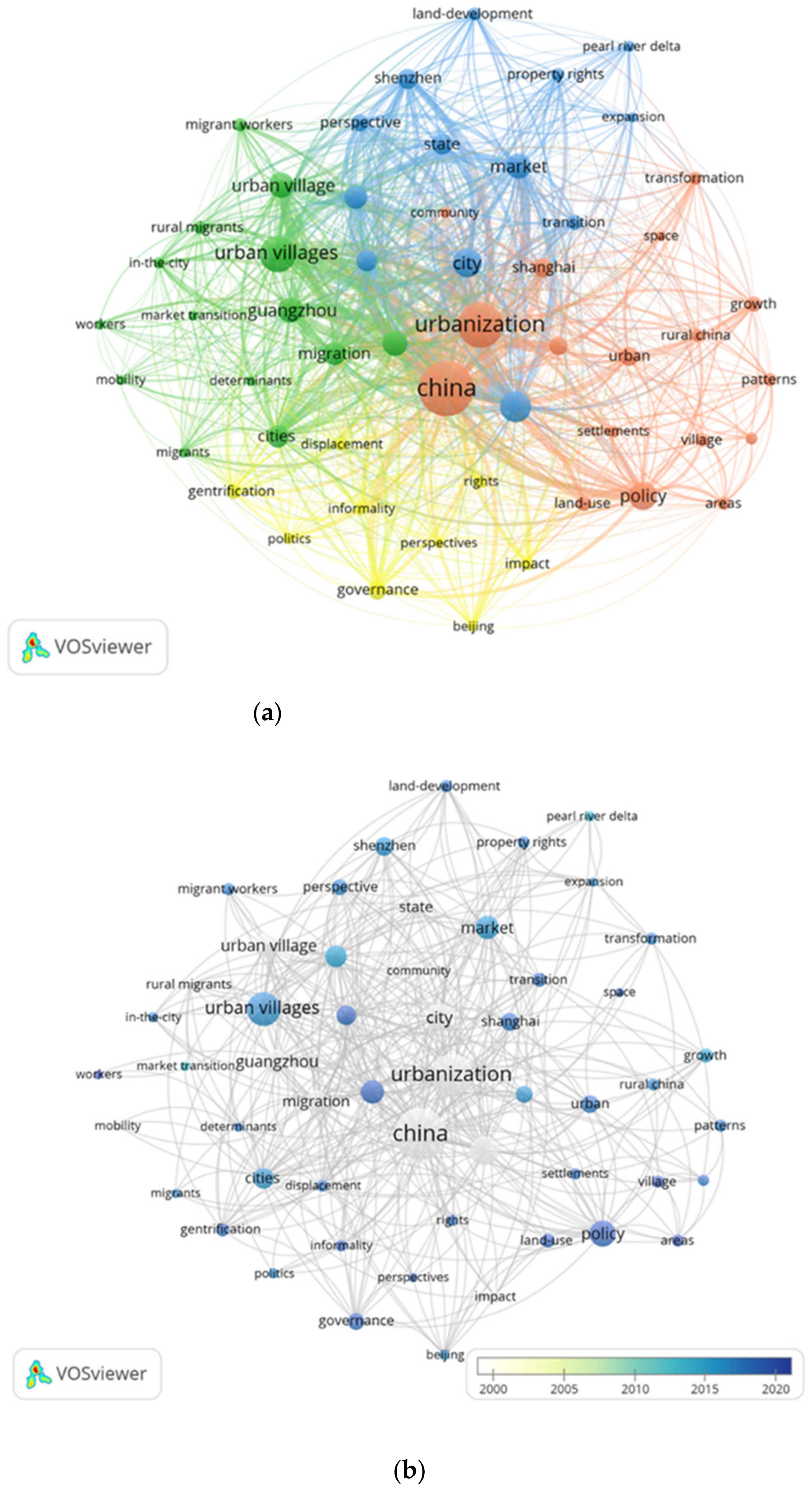
Figure iii. Co-authorship analysis network visualization.
Figure three. Co-authorship analysis network visualization.
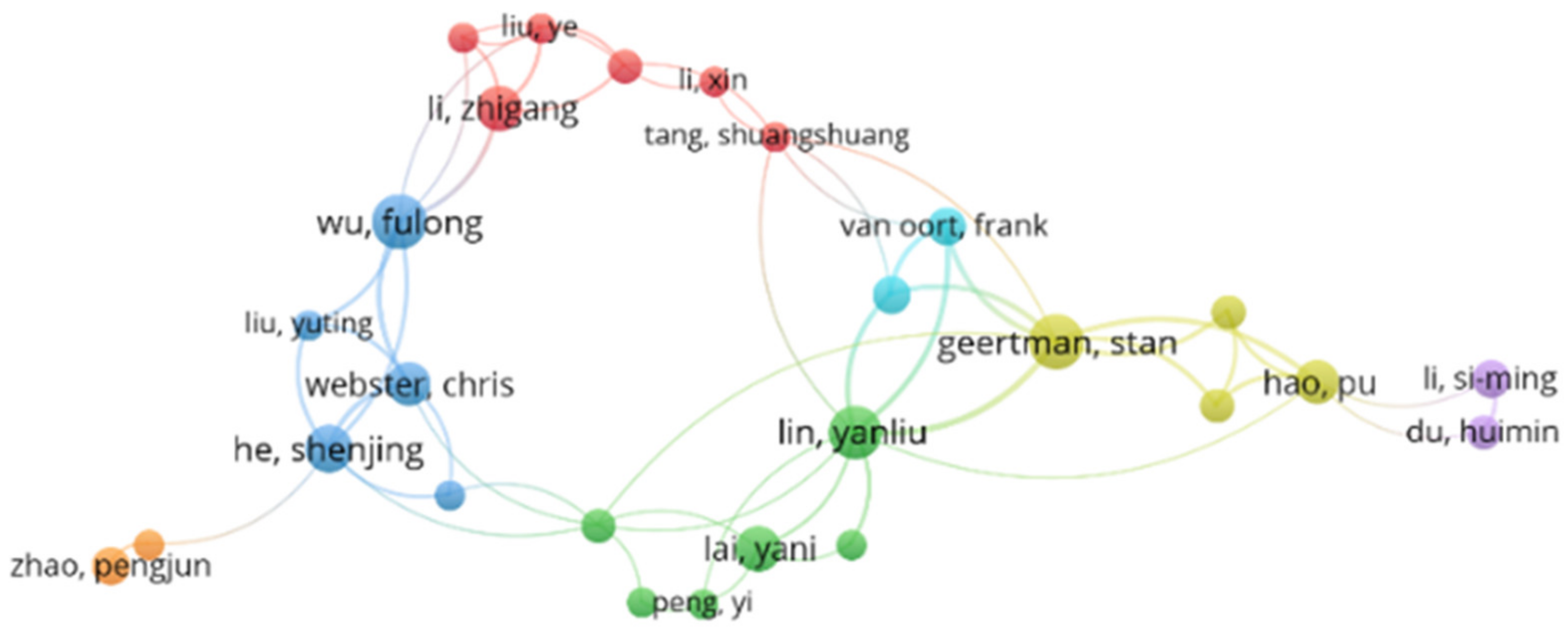
Figure 4. Simplified scheme of the main drivers identified in the literature.
Figure 4. Simplified scheme of the main drivers identified in the literature.
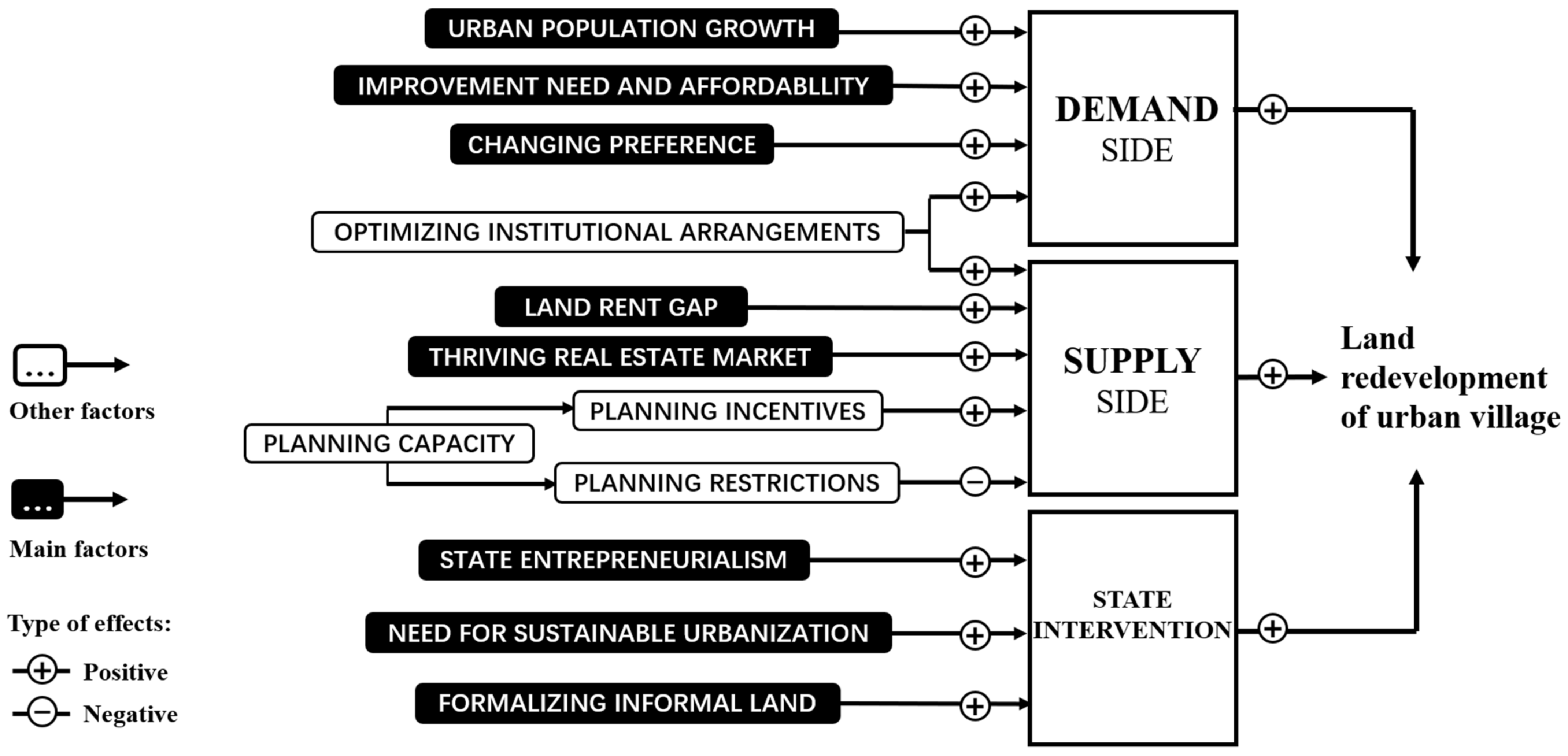
Figure 5. Development of rent gap in urban villages.
Effigy v. Development of hire gap in urban villages.
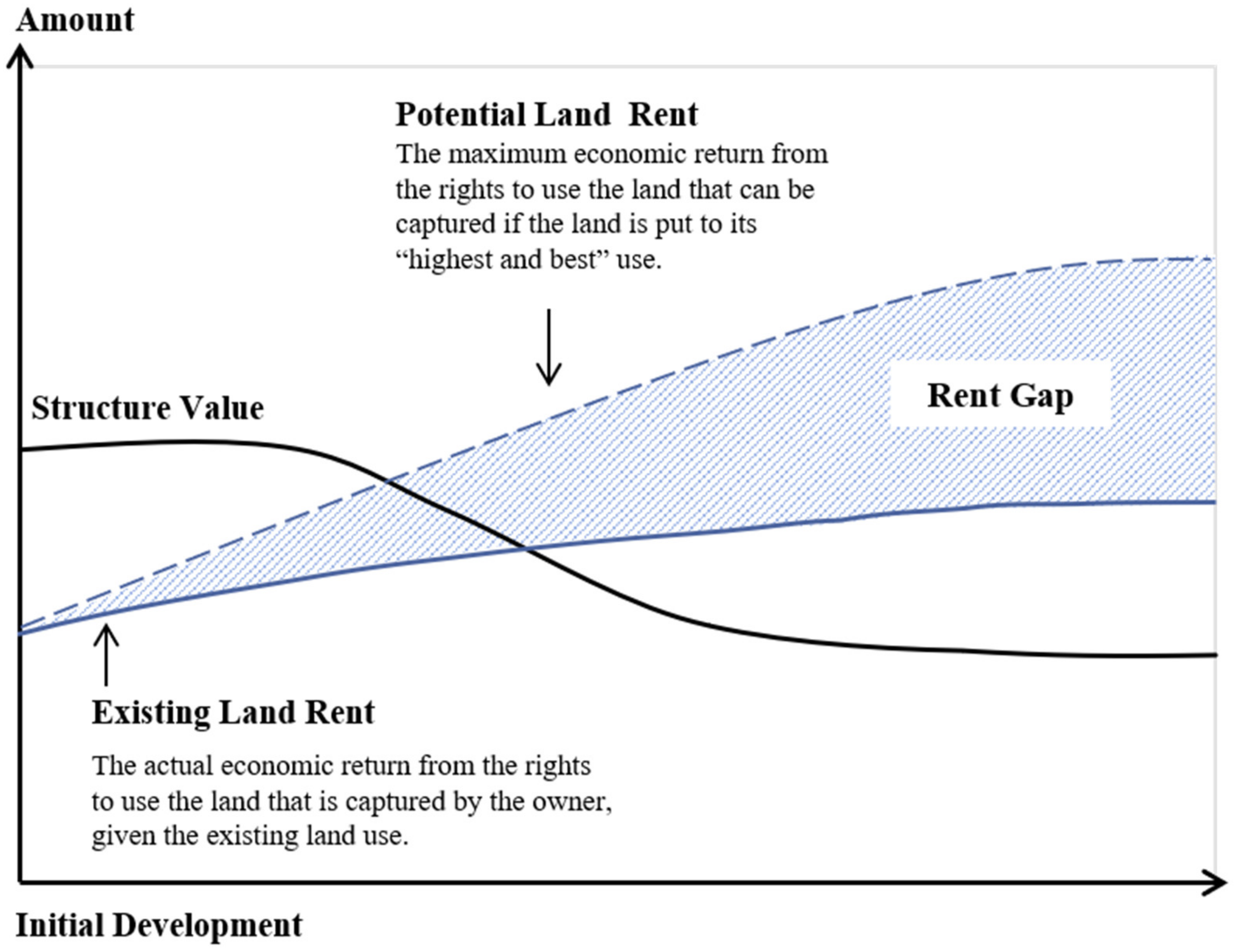
Table 1. Surveyed papers among different journals.
Tabular array ane. Surveyed papers among different journals.
| T | Journal Title | Number | No | Journal Title | Number |
|---|---|---|---|---|---|
| ane | HABITAT INTERNATIONAL | 24 | 11 | REMOTE SENSING | 4 |
| 2 | CITIES | xvi | 12 | People's republic of china REVIEW-AN INTERDISCIPLINARY JOURNAL ON GREATER CHINA | four |
| three | URBAN STUDIES | 16 | xiii | EURASIAN GEOGRAPHY AND Economics | three |
| 4 | SUSTAINABILITY | 12 | 14 | INTERNATIONAL DEVELOPMENT PLANNING REVIEW | 3 |
| v | LAND USE POLICY | ix | 15 | Environment AND PLANNING A | 3 |
| 6 | Journal OF URBAN PLANNING AND Development | 8 | 16 | LAND | 2 |
| 7 | INTERNATIONAL Journal OF URBAN AND REGIONAL RESEARCH | 8 | 17 | Surround AND PLANNING B-URBAN ANALYTICS AND Urban center Scientific discipline | 2 |
| 8 | HOUSING STUDIES | 4 | 18 | Environment AND URBANIZATION | 2 |
| nine | Periodical OF CLEANER PRODUCTION | 4 | 19 | GEOFORUM | two |
| 10 | URBAN GEOGRAPHY | 4 | 20 | JOURNAL OF CONTEMPORARY CHINA | 2 |
Table 2. Listing of the almost important contributing authors.
Table 2. List of the near important contributing authors.
| No | Author | Institution | Number | % |
|---|---|---|---|---|
| i | Geertman, Stan | Utrecht University | 12 | 7.19 |
| two | Lin, Yanliu | Utrecht University | 11 | half dozen.59 |
| 3 | He, Shenjing | University of Hong Kong | 9 | v.39 |
| four | Wu, Fulong | University College London | ix | 5.39 |
| 5 | Lai, Yani | Shenzhen University | eight | 4.79 |
| 6 | Hao, Pu | Hong Kong Baptist University | half-dozen | 3.59 |
| 7 | Li, Zhigang | Wuhan Academy | 6 | 3.59 |
| 8 | Webster, Chris | University of Hong Kong | 6 | iii.59 |
| ix | Li, Xun | Sunday Yat Sen University | 5 | two.99 |
| x | Liu, Ying | Utrecht University | 5 | 2.99 |
| Publisher'south Note: MDPI stays neutral with regard to jurisdictional claims in published maps and institutional affiliations. |
© 2022 past the authors. Licensee MDPI, Basel, Switzerland. This article is an open admission commodity distributed under the terms and conditions of the Creative Commons Attribution (CC Past) license (https://creativecommons.org/licenses/by/4.0/).
Source: https://www.mdpi.com/2073-445X/11/4/525/htm

Post a Comment for "Literature Review on the Influence of the State on Economic Informality Pdf"